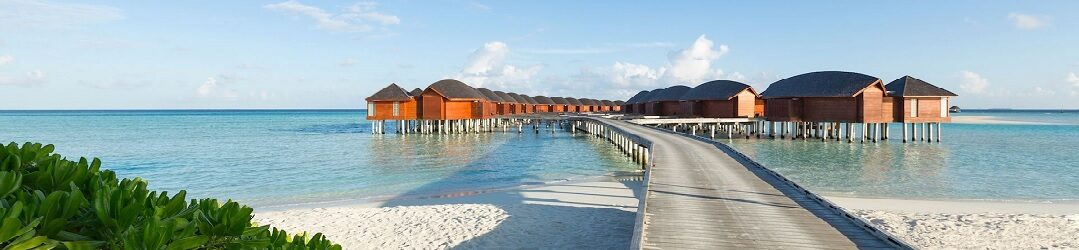
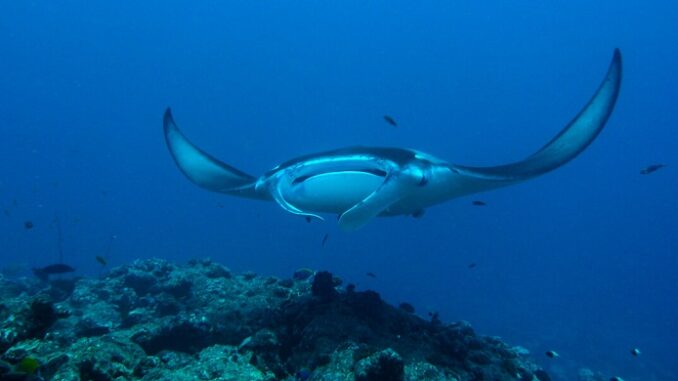

The Maldives is a dream destination not only for its stunning overwater bungalows and pristine beaches but also for its incredible marine life. For ocean lovers and adventure seekers, swimming alongside manta rays and whale sharks is the ultimate underwater thrill. These gentle giants grace Maldivian waters year-round, but knowing where and when to go is key to making the most of this once-in-a-lifetime experience.
Why the Maldives Is a Hotspot for Manta Rays and Whale Sharks
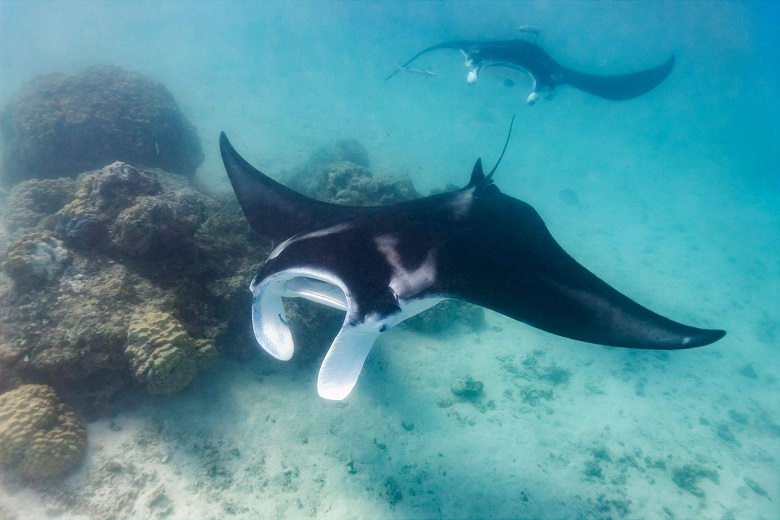
The Maldives lies along the migratory routes of both manta rays and whale sharks, and its warm, plankton-rich waters provide ideal feeding grounds. Thanks to marine conservation zones and protected atolls, sightings are frequent and often up close.
- Manta Rays: Reef mantas (Mobula alfredi) can have wingspans of up to 5 meters. These graceful creatures are harmless and curious, often circling divers and snorkelers.
- Whale Sharks: The largest fish in the ocean, whale sharks (Rhincodon typus) can grow up to 12 meters long. They are gentle filter feeders and pose no danger to humans.

Best Places to Swim with Manta Rays and Whale Sharks in the Maldives
Hanifaru Bay – Baa Atoll (UNESCO Biosphere Reserve)

Best for: Manta ray aggregation (sometimes 100+ at once)
Season: May to November
Hanifaru Bay is the crown jewel for manta encounters. During the southwest monsoon, plankton accumulates in this small bay, attracting massive numbers of mantas in a phenomenon known as a “feeding frenzy.” Though scuba diving is not allowed here, snorkeling is permitted (with a guide and time limits).
- Resorts nearby: Soneva Fushi, Amilla Maldives, Dusit Thani
- Restrictions: Limited daily permits; book early through resorts or operators.
The Best Luxury Resorts in Baa Atoll
South Ari Atoll (Maamigili, Dhigurah)
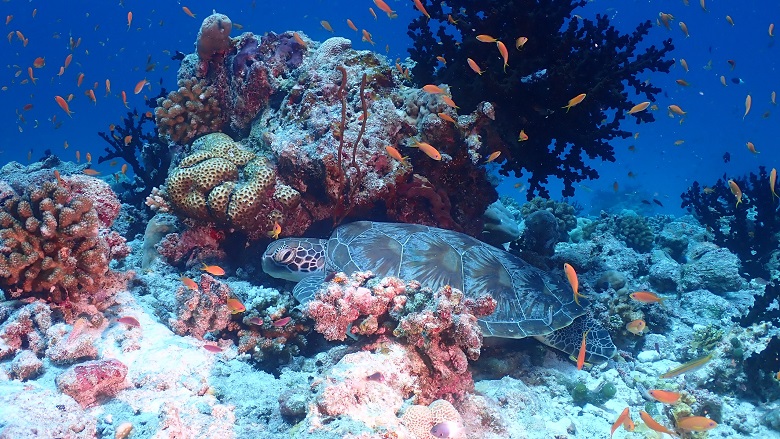
Best for: Year-round whale shark sightings
Season: All year, with peak visibility November to May
South Ari Atoll is the Maldives’ most reliable place for whale shark encounters, especially near the island of Maamigili, which lies in a protected marine area. Sightings are often via boat-based snorkeling tours, where guides spot the sharks from above and let swimmers jump in.
- Resorts nearby: Lux* South Ari Atoll, Conrad Maldives Rangali Island, Sun Island Resort
- Local islands nearby: Dhigurah and Maamigili (more affordable options with local dive centers)
Best Luxury resorts in the South Ari Atoll
Fuvahmulah Atoll (Deep South Maldives)
Best for: Scuba diving with oceanic mantas and occasional whale sharks
Season: January to May
Fuvahmulah is less touristy and offers encounters with larger, more pelagic species, including oceanic mantas and thresher sharks. Whale sharks are rarer but occasionally seen.
- Recommended for: Experienced scuba divers
- Access: Domestic flight from Malé, then boat transfer
Rasdhoo & North Ari Atoll

Best for: Occasional manta sightings + reef sharks
Season: December to April
North Ari Atoll offers a mix of reef mantas, eagle rays, and reef sharks, particularly for scuba divers. While not as consistent as Hanifaru or South Ari, it’s a good backup spot if you’re staying in a different part of the Maldives.
- Resorts nearby: Kuramathi, Ellaidhoo by Cinnamon
- Local islands: Rasdhoo, Ukulhas
Best Luxury Resorts in North Ari Atoll
Best Time of Year to Go
Season Manta Rays – Hanifaru Bay Whale Sharks – South Ari
May – November ✔ Best (plankton season) Moderate
December – April Less frequent ✔ Best (clearer waters)
Year-Round Some sightings (elsewhere) ✔ Consistent sightings
- Southwest Monsoon (May–Nov): Best for Hanifaru Bay.
- Northeast Monsoon (Dec–Apr): Best for whale sharks in South Ari, clear diving visibility.
How to Book a Tour or Experience
- Resorts: Most offer excursions as part of their dive/snorkel centers.
- Liveaboards: A popular choice for divers, liveaboards take you to multiple atolls over a week.
- Local Islands: Places like Dhigurah and Maamigili have reputable dive shops at lower prices.
Pro tip: Always confirm if the tour includes a spotter—a guide who scans the surface for whale sharks or manta rays to increase sighting chances.
Tips for a Safe and Ethical Encounter
- Keep your distance: Stay at least 3 meters from whale sharks, 2 meters from manta rays.
- No touching: These animals have sensitive skin and oils from your hands can harm them.
- No flash photography: It can disturb or scare the animals.
- Follow the guide’s instructions: Licensed guides are trained to ensure a safe and sustainable experience.
- Support eco-conscious operators: Choose tours certified by conservation bodies like Manta Trust or Maldives Whale Shark Research Programme.
What to Bring
- Mask/snorkel/fins (most tours provide them)
- Underwater camera or GoPro
- Rash guard (protection from sun and jellyfish)
- Reef-safe sunscreen
- Dry bag for valuables
Conservation & Sustainability
The Maldives has made strides in marine conservation, especially in protected zones like Hanifaru Bay Marine Protected Area (MPA). When you swim responsibly and choose sustainable operators, you’re helping preserve these fragile ecosystems for generations to come.
Many resorts also support marine research centers, and some (like Four Seasons or Manta Trust partners) offer educational programs and citizen science involvement.
Final Thoughts
Swimming with manta rays and whale sharks in the Maldives is a surreal, humbling experience—one that stays with you for life. Whether you snorkel through shimmering clouds of mantas at Hanifaru Bay or glide alongside a whale shark in the open sea off South Ari, the connection with nature is pure magic.
With the right timing, destination, and eco-conscious mindset, your Maldivian marine adventure will be both unforgettable and meaningful.
Hanifaru Bay: The Ultimate Destination to See Whale Sharks and Manta Rays in the Maldives


 English
  Español
  Italiano
  Deutsch (Sie)
  Svenska
  Français
  Русский
  Nederlands (Formeel)
  Dansk
Dansk  简体中文
简体中文  香港中文
香港中文  Português