

What to Know Before You Go to Maldives:
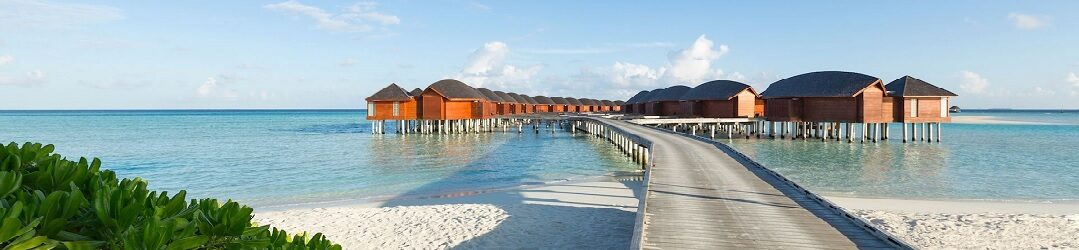
The Maldives, a dreamlike chain of coral islands scattered across the Indian Ocean, is famous for its turquoise waters, luxurious resorts, and incredible marine life. But beyond the picture-perfect beaches lies a rich and deeply rooted culture shaped by centuries of trade, religion, and island life.
Before you pack your swimsuit and sunscreen, it’s worth learning about the customs and etiquette that will help you connect respectfully with the local community and make the most of your visit. The information bellow does only apply for the public islands, not the private resort islands.
Understand the Local Religion and Culture
The Maldives is a 100% Muslim nation, and Islamic principles influence daily life, law, and social customs. While resort islands are relaxed and cater to international guests, local (inhabited) islands observe Islamic traditions strictly.
Key points to remember:
- Dress modestly when visiting local islands or the capital, Malé. Women should wear clothing that covers shoulders and knees; men should avoid going shirtless outside beach areas.
- Public displays of affection are frowned upon on inhabited islands. Holding hands is acceptable, but kissing or hugging in public may attract disapproval.
- Alcohol and pork are banned on local islands. These are available only in resort islands and liveaboard boats licensed to serve tourists.
- Prayer times are observed five times a day, and many shops or offices may temporarily close during prayers.

Respect Local Customs and Social Etiquette
Maldivians are known for their warmth, hospitality, and easygoing nature. A little cultural awareness goes a long way in showing respect.
Greetings and manners:
- A friendly “As-salaam Alaikum” (peace be upon you) is a polite greeting, especially in local communities.
- Use your right hand for handshakes, eating, or passing objects; the left hand is considered impolite for these gestures.
- When entering someone’s home or a mosque, remove your shoes before stepping inside.
- Always ask for permission before photographing people, especially women or religious sites.
Dress Code: Beachwear vs. Island Wear
On resort islands, you’re free to wear swimwear and light clothing around pools, beaches, and restaurants. However, if you’re exploring local islands or taking excursions to inhabited areas, modest dress is expected.
Tip: Some local islands have designated “bikini beaches,” allowing tourists to swim in regular beachwear within marked zones while respecting local customs elsewhere.
Environmental Etiquette: Protect the Paradise
The Maldives is one of the world’s most fragile ecosystems. With climate change threatening its existence, sustainable behavior is not just appreciated—it’s essential.
Be an eco-conscious traveler:
- Avoid single-use plastics — carry a reusable water bottle.
- Never touch or stand on coral reefs, and don’t collect shells or sand as souvenirs.
- Support eco-friendly resorts and local conservation initiatives.
- Respect marine life: keep a safe distance when snorkeling or diving.
Tips for Visiting Local Islands
Visiting inhabited islands like Maafushi, Dhigurah, or Thulusdhoo offers a deeper cultural experience than staying solely at a resort. You’ll get to try local food, meet residents, and witness authentic Maldivian life.
Do’s and don’ts:
- Do try Maldivian cuisine, such as mas huni (tuna and coconut breakfast mix) or garudhiya (fish soup).
- Don’t expect nightlife or alcohol on local islands — relaxation here means quiet evenings and starlit walks.
- Do engage with locals respectfully — Maldivians are happy to share stories about their traditions and island life.
Cultural Festivals and Traditions
If your visit coincides with local celebrations, you’re in for a treat. Festivals in the Maldives reflect a blend of Islamic devotion, traditional music, and oceanic heritage.
- Ramadan (Mauloodhu): The holy month of fasting, marked by special foods and nightly prayers. Visitors should avoid eating or drinking in public during daylight hours on inhabited islands.
- Eid al-Fitr and Eid al-Adha: Celebrated with feasts, communal prayers, and festive gatherings.
- National Day & Independence Day: Colorful parades and cultural shows fill the streets, especially in Malé.
Learn a Few Local Words
While English is widely spoken, especially in resorts, learning a few words in Dhivehi, the Maldivian language, is a sign of respect and can enrich your experience.
Dhivehi Phrase Meaning
As-salaam Alaikum Peace be upon you (hello)
Shukuriyaa Thank you
Haalu kihineh? How are you?
Miadhu Yes
Noon No
Baajjeveri! Excellent!
Tipping and Service Etiquette
Tipping is not mandatory but is always appreciated. Most resorts include a 10% service charge, but small tips for exceptional service — like $5–$10 for housekeeping or dining staff — are customary. On local islands, tipping guides or boat crews directly is a kind gesture.
Balancing Luxury and Local Life
Remember that beyond the luxury resorts are communities where people live modestly and value their traditions. When visiting, spend your money mindfully — support locally owned guesthouses, eateries, and craft shops. It helps sustain the islands’ economy and preserves their cultural identity.
Final Thoughts
The Maldives is more than a postcard destination — it’s a living culture with traditions as deep as its surrounding seas. By respecting local customs, dressing appropriately, and traveling sustainably, you’ll not only enjoy an unforgettable trip but also help protect this island nation’s culture and beauty for generations to come.
Best Deals on Resorts with Top Wellness & Spa in The Maldives

 English
  Español
  Italiano
  Deutsch (Sie)
  Svenska
  Français
  Русский
  Nederlands (Formeel)
  Dansk
Dansk  简体中文
简体中文  香港中文
香港中文  Português